
Build a useful picture of recurring trouble
Gather any invoices, inspection notes or photos from previous repairs. Note which areas were worked on and whether the symptoms changed afterward. Even a simple timeline can make the conversation more productive. Repeated trouble does not automatically prove that the entire roof needs replacing, but it is a reason to review the wider condition and the limits of any proposed repair before spending more money.
Define what a repair would actually address
A focused repair should have a clear purpose and a defined area of work. Ask what is included, what remains untouched and what questions cannot be resolved without further investigation. If broader replacement is also being considered, discuss the alternatives in relation to the same concern. That makes it easier to understand whether the smaller scope meets your immediate need and what it leaves for later.
Prepare for what removal may reveal
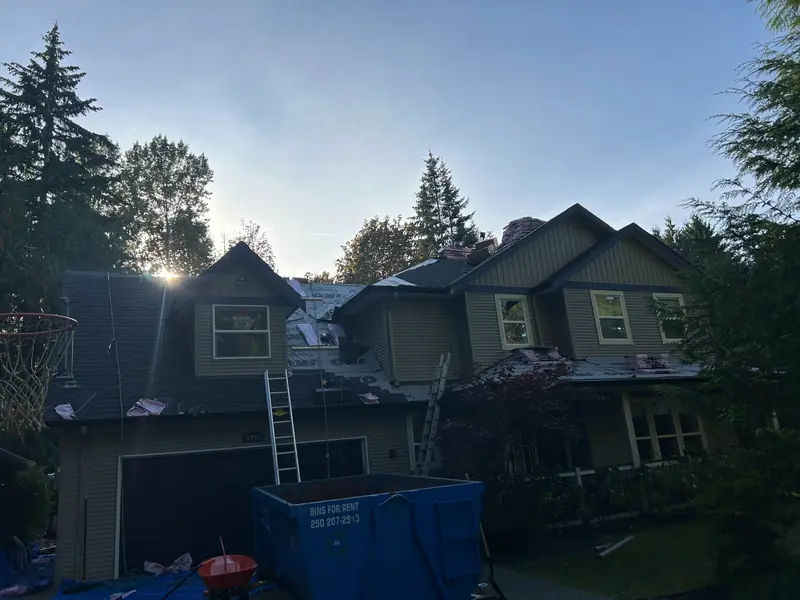
When a replacement involves removing existing roofing, concealed conditions can become visible. Ask how any affected decking or related work would be photographed, priced and brought to you for approval. The estimate should establish a process for these decisions. This matters whether you plan to stay involved on site or need someone to contact you while you are at work or away from the property.
Consider the main house and other buildings separately
A garage, workshop or addition may have a different roof condition from the house. Identify which buildings you want assessed and how you use them. Roofing all structures at once is a decision to evaluate, not an automatic requirement. A clearly separated scope helps you prioritize the work and compare material choices without losing track of which price belongs to which building.