
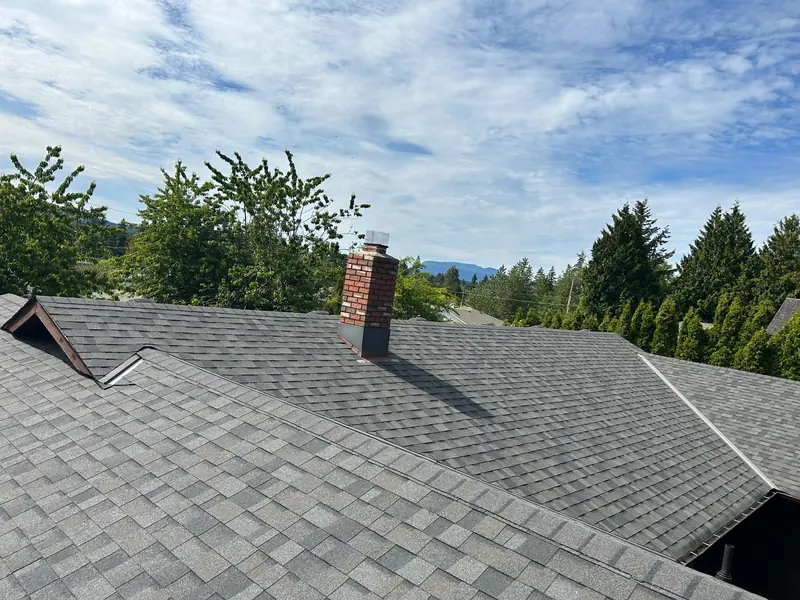
Put the roof information in one place
Gather previous estimates, known installation dates, repair notes and photos that show the roof's current condition. If the age is uncertain, say so instead of guessing. Explain which concerns are active and which changes you are considering for the future. A concise record helps keep the estimate focused and gives every person involved the same starting point when comparing the options.
Identify who can approve decisions
Some properties have several people involved in maintenance decisions. Establish who will receive the estimate, approve the contract and answer questions during the work. If a manager is coordinating access but the owner controls spending, make that distinction clear. Where another approval is needed, allow for it before requesting a firm start. This helps avoid an accepted schedule resting on a decision that is still unresolved.
Evaluate the whole roof before choosing the immediate work
A repair request and a future replacement plan can be discussed together. Ask what the proposed repair would address and whether other concerns need separate attention. If replacement is the direction, compare shingles and metal with the roof's actual geometry and related details in view. The useful question is what each option would include for this property, rather than which material is universally better.
Keep records that will help you later
After a roofing project, retain the approved scope, changes, product information and any warranty documents supplied for the installation. Record whom to contact about a concern. If another trade later adds a penetration or changes part of the roof, keep those details as well. An organized history makes future maintenance conversations more precise and helps avoid relying on memory about what was installed or altered.