
Help us understand the site before arranging a visit
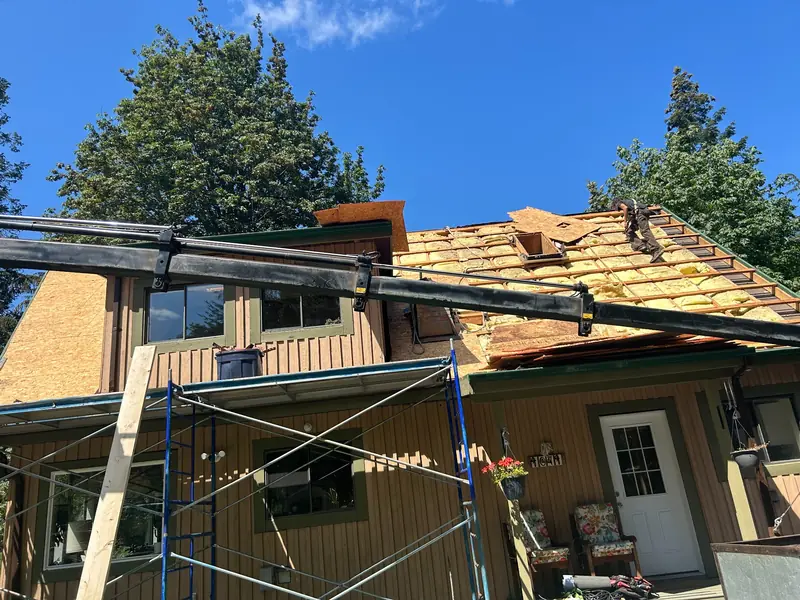
Include the full property location and directions if the entrance is not obvious. Mention a steep or narrow driveway, a gate, limited turning space or any other access constraint that applies. A few ground-level photos of the building and approach can be helpful. This information supports planning; it does not commit you to a roof material or replace an assessment of the work itself.
Set priorities for the first conversation
Explain whether you are managing an active leak, replacing an older roof or preparing a new building. If temporary measures have already been used, describe them and when they were put in place. We can then discuss the appropriate next step and current availability. An enquiry is not a confirmed emergency booking, so call directly when timing is important rather than relying only on a form message.
Confirm the material and scope before organizing the job
Once an option is selected, check that the proposal identifies the building, roof areas, material and related work. Resolve open colour or product decisions before expecting a firm installation arrangement. For multiple buildings, label each scope clearly. Changes after planning can affect ordering and scheduling, so make sure everyone approving the project is working from the same version of the proposal.
Agree on access and communication if you will be away
A property does not need to be occupied for its roof to need attention. If you are arranging work remotely, provide a local access contact where possible and identify who can approve extra work. Discuss how questions and progress information will be exchanged. Keep the access plan separate from public enquiry details; sensitive instructions can be shared directly when an assessment or installation is actually arranged.